
Industrial Solar Panels for Factories & Industrial Buildings
Project Zero designs and installs industrial solar panels for factories, warehouses and other high-consumption industrial sites. Using available roof or land space to generate electricity onsite can reduce the amount of power your business needs to buy from the grid, with the potential savings and payback assessed before you commit.
Every industrial solar PV system is designed around the individual site. We consider your energy usage, available space, electrical infrastructure and business objectives to establish what size of system makes sense for your business and the return it could deliver.
Industrial Solar Designed Around Your Site and Energy Demand
Project Zero develops industrial solar systems around the way each site operates. Electricity use across the working day, expected changes in demand and the amount of generation likely to be consumed onsite all influence the size and shape of the system.
The assessment also considers available roof or land space, roof condition, electrical infrastructure, export potential and relevant grid constraints. Bringing those factors together allows Project Zero to propose a system that suits the site technically and stands up commercially.
For more detail on the wider project process, Project Zero’s commercial solar panel installation service covers assessment, design, installation and ongoing support.
We look at your current electricity usage and expected future demand, available roof or land space, roof condition, electrical infrastructure and relevant grid considerations. This helps us establish whether commercial solar is right for your site, what size of system makes commercial sense and the potential savings and payback you could achieve.
Where it supports your wider energy strategy, we can also incorporate commercial battery storage to help you make better use of the electricity your system generates.
Is Your Industrial Site Suitable for Solar?
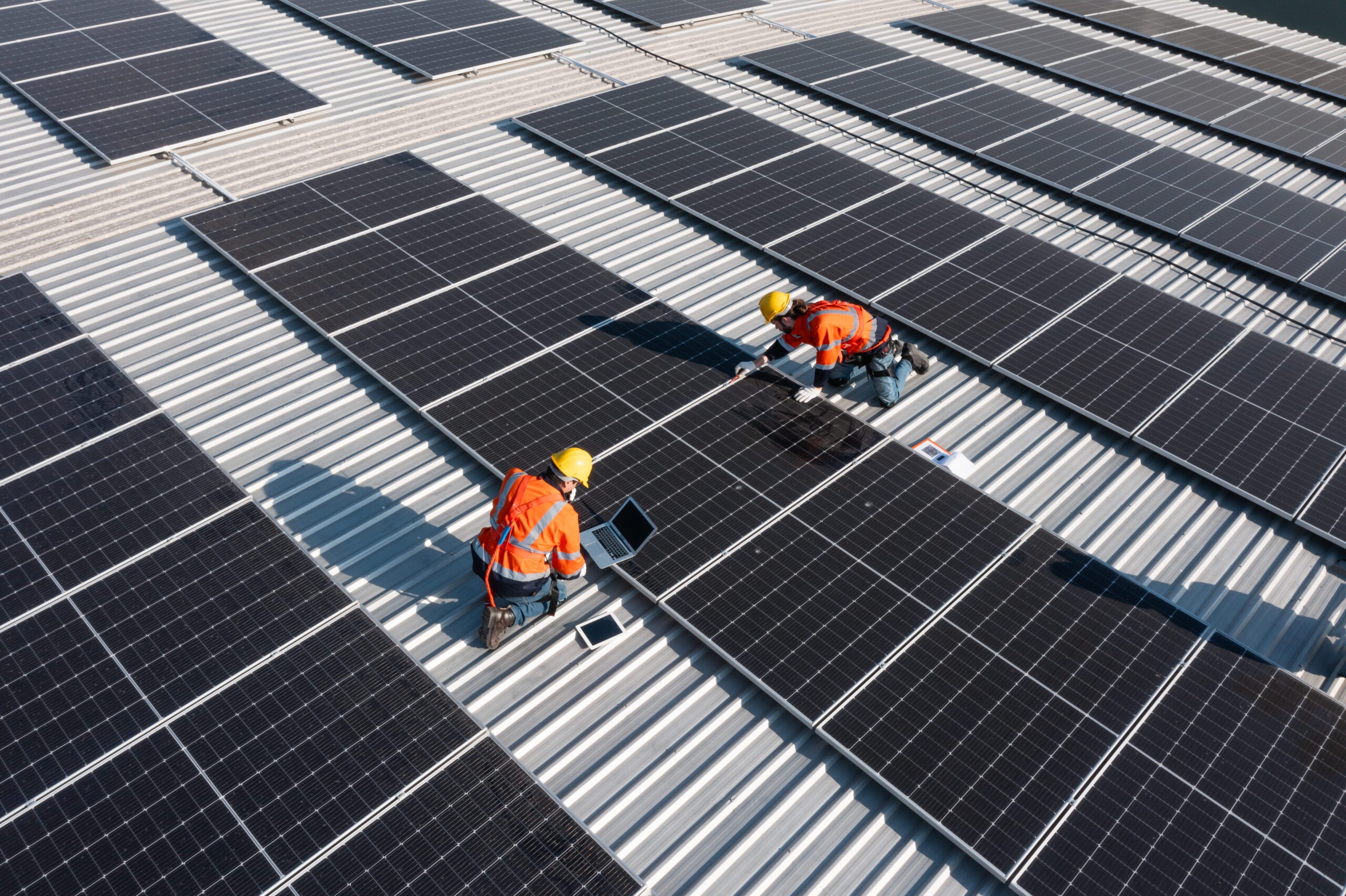
Before recommending an industrial solar installation, Project Zero assesses how your site operates and the factors that could affect system design, performance and financial viability. This gives you a clearer understanding of whether solar is suitable for your business before the project moves forward.
Roof and Land Availability
Industrial sites with large roof areas or available land can offer good opportunities for solar, but usable space is only one part of the assessment. Project Zero also considers orientation, shading, roof condition and structural suitability to determine how much of the site can realistically support an industrial solar PV system.
Electricity Usage and Operating Profile
How and when your site uses electricity has a direct impact on the financial case for industrial solar. Project Zero reviews your consumption patterns to understand how much solar generation could be used onsite, while also considering expected changes in demand so the proposed system reflects both current operations and future plans.
Electrical Infrastructure and Grid Considerations
Your existing electrical setup, grid connection and available export capacity can all affect how an industrial solar system is designed and delivered. Project Zero reviews these factors as part of the wider assessment and manages the relevant Distribution Network Operator (DNO) and grid application process where required.
Operational Constraints and Site Access
Industrial solar installation needs to account for how the site operates day to day. Project Zero considers access, working areas, production schedules and logistics activity when planning the work, with the installation programme shaped around the individual site to minimise disruption wherever practical.
How Industrial Solar PV Systems Are Sized
Industrial solar PV systems are sized using a combination of site and energy data, including electricity usage, onsite consumption, available roof or land space, electrical infrastructure, grid constraints and the financial return the project needs to achieve. The aim is not simply to install as many panels as possible, but to recommend a system that suits how the site operates and makes financial sense for the business.
Expected changes in energy demand, potential export and the role of commercial battery storage can also influence the final recommendation, particularly where they affect how much generated electricity can be used or stored onsite.
How Much Could Industrial Solar Save Your Business?
The savings and payback from industrial solar depend on the individual site and the system being proposed. Project Zero looks at factors including system cost, expected generation, onsite consumption, potential export and electricity rates to build a site-specific picture of the financial opportunity rather than relying on generic percentages or fixed payback periods.
This assessment can be used to estimate simple payback and longer-term savings, giving finance and operational decision-makers a practical basis for evaluating the investment before moving forward.
From Site Survey to Industrial Solar Installation
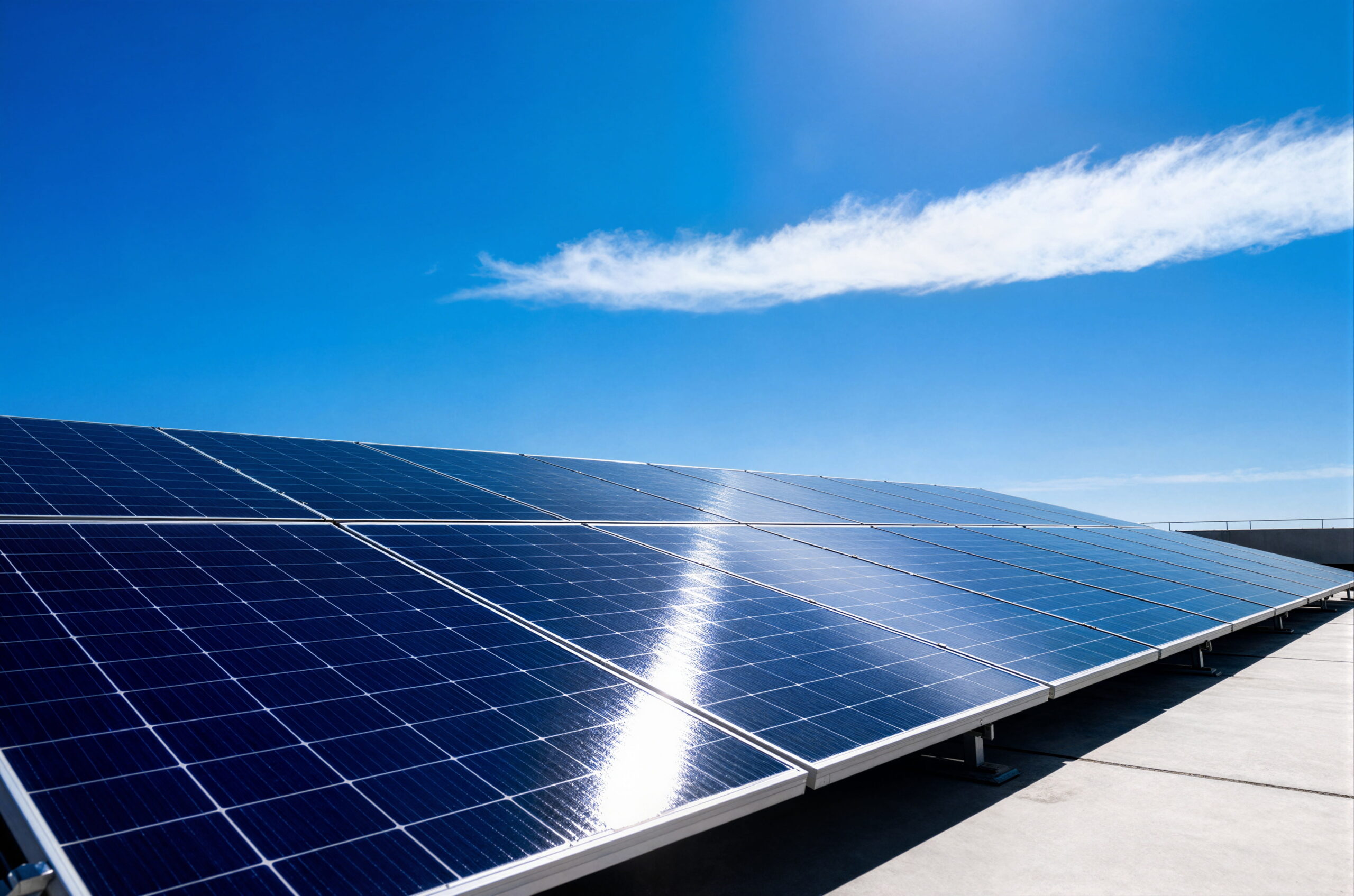
Project Zero manages each stage of the industrial solar project, from initial assessment through to installation, commissioning and ongoing support.

Site Survey and Feasibility
Project Zero assesses your energy requirements, available roof or land space, site condition and access before moving into system design. The survey also considers structural, electrical and practical factors that could affect the installation, giving the project a clear technical and operational starting point.
System Design and Payback Assessment
Using the site survey and energy data, Project Zero designs an industrial solar PV system suited to the site and assesses the expected project cost, generation, savings and payback. This gives the business a clear view of the financial case before deciding whether to move forward.
Grid Application and Project Planning
Project Zero manages the relevant Distribution Network Operator (DNO) or grid application process alongside the wider planning and coordination of the project. This covers the technical and practical steps needed to prepare the installation properly and keep the project moving towards delivery.
Industrial Solar Panel Installation
Project Zero coordinates the installation around site access, working areas and day-to-day operations, with the delivery plan shaped around the individual site. Keeping the project managed through one team also gives the business a clear point of accountability throughout the installation.
Commissioning and Handover
Once the installation is complete, Project Zero tests and commissions the system before handover. The business receives the relevant certification and system documentation, along with guidance on monitoring performance and understanding how the system is operating.
Ongoing Operations & Maintenance
Project Zero can continue supporting the system after installation through ongoing commercial solar operations and maintenance, diagnostics and remedial services. This gives businesses continued support with system performance, fault investigation and any maintenance or repair work required over the life of the asset.
What Makes Industrial Solar Different From Smaller Commercial Projects?
Industrial sites can involve higher electricity demand, larger areas of usable roof or land and more significant decisions around system sizing. Electrical infrastructure, grid capacity and how the site operates day to day can also play a greater role in shaping the project.
That does not mean every industrial installation is automatically larger or more complex. Project Zero assesses each site individually, with the system design and project plan based on the building, energy profile, infrastructure and operational requirements rather than the site type alone.
Commercial Battery Storage for Industrial Sites
Commercial battery storage can form part of a wider industrial energy strategy by storing surplus solar electricity for use later. For suitable sites, this can increase the amount of onsite generation used by the business and reduce the need to draw power from the grid at more expensive times.
Battery storage can also support peak shifting, where energy use is moved away from higher-cost periods, and peak shaving, where stored electricity is used to reduce short-term demand peaks. The potential value depends on the site's usage profile, tariffs, solar generation and wider energy requirements.
Ongoing O&M for Industrial Solar Assets
An industrial solar system is a long-term business asset, so ongoing maintenance and monitoring are important for protecting performance and identifying developing issues early. Project Zero provides commercial solar panel maintenance, including planned inspections, performance monitoring, industrial solar panel cleaning, fault diagnostics and remedial works.
Where deeper investigation is needed, Project Zero can also use thermographic and RGB drone surveys, FLIR thermal imaging and IV curve testing to assess system condition and investigate underperformance. For existing industrial solar assets, ongoing O&M may also form part of wider insurer, risk-management or asset-management requirements, depending on the individual system and organisation.
Why Choose Project Zero for Industrial Solar?
Commercial-Only Solar Specialists
Project Zero works exclusively with commercial and industrial solar, with no focus on domestic installations. This keeps the service centred on the energy, infrastructure and operational requirements of business and industrial sites.
One Team From Design to O&M
Project Zero coordinates key stages of the project through one experienced team, from system design and grid applications to installation, O&M and remedial work. This means fewer handovers and a clearer point of accountability throughout the life of the system.
Payback-Led Recommendations
Project Zero bases its recommendations on how your site uses energy, what the installation needs to achieve and the financial case behind it. Technology choices are guided by the site assessment and financial case rather than technology for its own sake.
Worcester-Based, Supporting Key Industrial Regions
From its Worcester base, Project Zero supports industrial solar projects across Worcestershire, the West Midlands and Birmingham, Herefordshire, Gloucestershire and Bristol, as well as the East Midlands, Milton Keynes and Northamptonshire. The team can also travel further for suitable projects.
Industrial Solar Panels FAQs
Are industrial solar panels suitable for factories and warehouses?
Industrial solar panels can be well suited to factories, warehouses and other sites with significant electricity demand and usable roof or land space. Suitability still depends on factors such as energy usage, roof condition, electrical infrastructure, site operations and relevant grid considerations.
How are industrial solar PV systems sized?
Sizing starts with how much electricity the site uses and when that demand occurs. Available space, infrastructure, grid constraints and future energy requirements are then factored in to determine what scale of industrial solar PV is appropriate.
How much can industrial solar panels save a business?
There is no fixed saving that applies to every industrial site. Project Zero uses the proposed system and your energy data to estimate the likely financial return, including simple payback and longer-term savings.
Can industrial solar panels be installed while a site remains operational?
Often, yes. The installation programme can be planned around the way the site operates, taking practical access and operational constraints into account to reduce disruption wherever possible.
Do industrial solar installations need planning permission?
Planning requirements depend on the building, site and proposed industrial solar system. Some installations may fall within permitted development rights, while others may require further consideration, so relevant planning and site constraints should be reviewed before installation moves forward.
What grid approval is needed for an industrial solar installation?
The connection process varies according to the proposed system and the site’s existing grid connection. Project Zero establishes what is required for the individual project and handles the relevant application with the Distribution Network Operator (DNO).
Can industrial solar panels be combined with battery storage?
Yes, where battery storage suits the site and wider energy strategy. It can store surplus solar electricity for later use and may support peak shifting or peak shaving, with any recommendation based on the site’s usage profile, tariffs, solar generation and operational requirements.
Discuss Your Industrial Solar Project
Talk to Project Zero about your site, energy usage and current electricity costs to understand whether industrial solar could work for your business. We’ll assess the opportunity and give you a clearer view of potential savings, payback and the next steps for your site.